


03/03/2026
Japan’s Whitefish Market: Growing Demand for Vietnamese Pangasius
Japan’s whitefish market is showing a clear differentiation among supply sources, with Vietnam continuing to assert its position as a stable and high-potential exporter. Vietnam currently ranks third, after the United States and Russia, in terms of whitefish export value to Japan. Benefiting from tariff preferences and its ability to meet Japan’s stringent quality and food safety standards, Vietnamese pangasius has continued to record stable and positive growth.
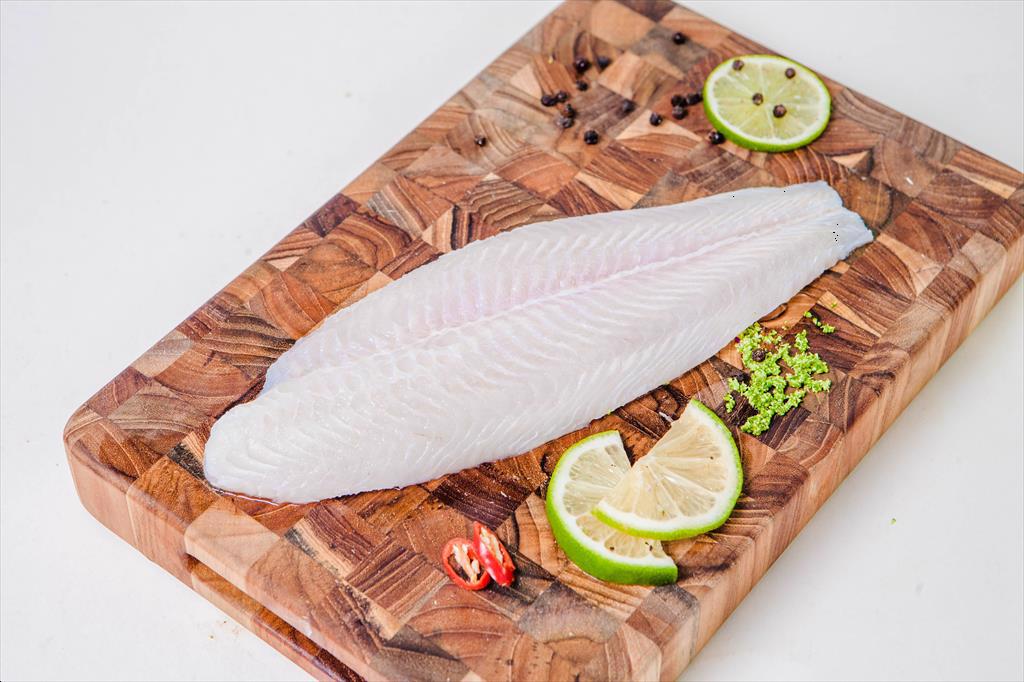
According to statistics from the International Trade Centre (ITC), Japan’s imports of whitefish recorded solid growth during the first eight months of 2025. The United States remained the largest supplier, followed by Russia and Vietnam.
Pangasius is gaining popularity in the Japanese market
For Vietnamese pangasius, total export value to Japan reached USD 34 million in the first nine months of 2025, up 14% compared to the same period in 2024. In September alone, pangasius exports to Japan increased by 12% year-on-year, indicating rising import demand—particularly as supplies of wild-caught species such as Alaska pollock and cod continue to face pressure from tighter catch quotas.
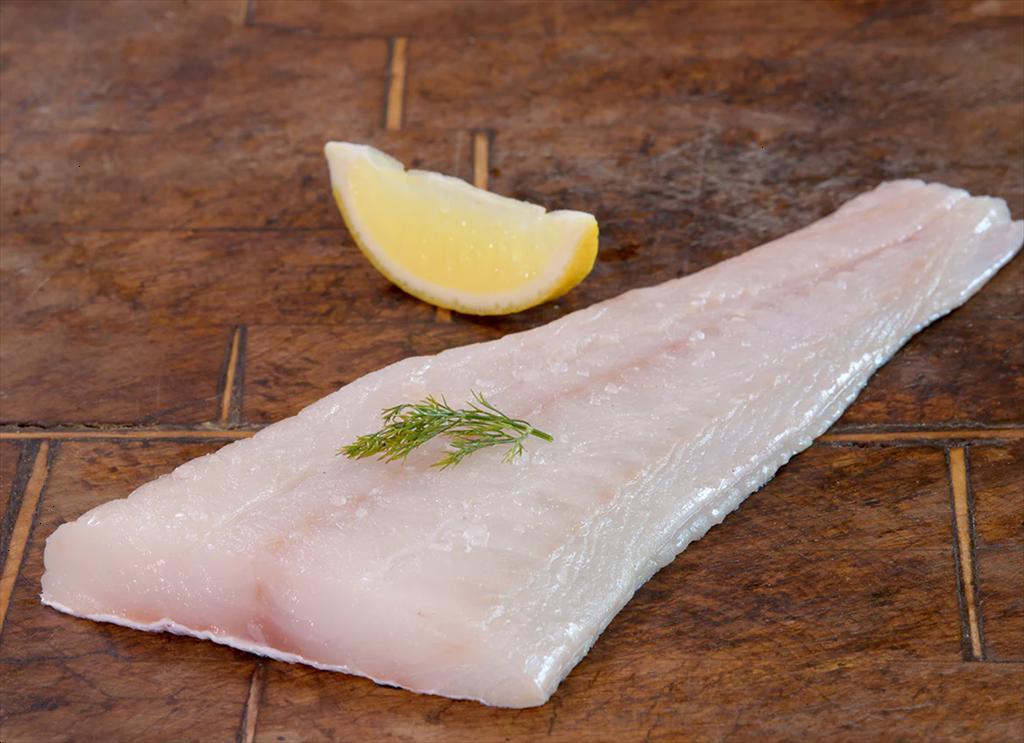
Frozen pangasius fillets remained the main export product to Japan, generating nearly USD 30 million in export value during the first nine months, up 11% year-on-year. Meanwhile, exports of value-added processed pangasius products surged by 47%, reflecting strong consumer demand in Japan for this product segment. Exports of other pangasius products—including fresh, frozen, whole fish and cut portions—also increased by 39%, highlighting a broadening export structure in the Japanese market.
Within Japan’s whitefish consumption structure, pangasius fillets currently rank only behind Alaska pollock fillets and pollock meat, increasingly becoming a popular substitute in the processed food industry, restaurant chains, and supermarket channels.
CPTPP benefits and changing consumer behavior
This growth is partly driven by the Comprehensive and Progressive Agreement for Trans-Pacific Partnership (CPTPP), which provides Vietnamese pangasius with tariff advantages, enhancing its price competitiveness compared to other imported whitefish products. This advantage is particularly significant as Japan’s economy shows signs of slowing, prompting consumers to favor products that are reasonably priced, have stable supply origins, and are easy to prepare.
Beyond supermarkets, Vietnamese pangasius has recently been introduced to the menu of Kura Sushi—one of Japan’s leading sushi restaurant chains. The inclusion of pangasius sushi further underscores the growing recognition of Vietnamese seafood in this highly demanding market, demonstrating pangasius’ ability to meet strict requirements for food safety, farming practices, and processing standards.
Rising competition from Russia and the need for product diversification
However, competitive pressure is intensifying as Russia signals its intention to boost seafood exports to Asian markets, including Japan, to offset declining shipments to Europe. If Russian supply increases—particularly processed products made from pollock and cod—the price competitiveness gap may narrow.
In this context, Vietnamese enterprises are advised to further diversify their value-added product offerings and invest in convenient product lines such as portioned fillets, breaded products, ready-to-cook items, and foodservice-oriented formats. At the same time, exporters should continue strengthening compliance with quality certifications, traceability requirements, and transparent production processes to reinforce trust among Japanese importers and ensure long-term, sustainable growth in this market.
Outlook
With stable growth momentum, tariff support from the CPTPP, and a structural shift in demand toward sustainably farmed seafood, Japan is expected to remain a highly promising destination for Vietnamese pangasius. The development of deep-processed and value-added products will not only help expand market share but also enhance the global brand value of Vietnamese seafood within the international supply chain.
An Giang Records Pangasius Production of Over 650,000 Tons
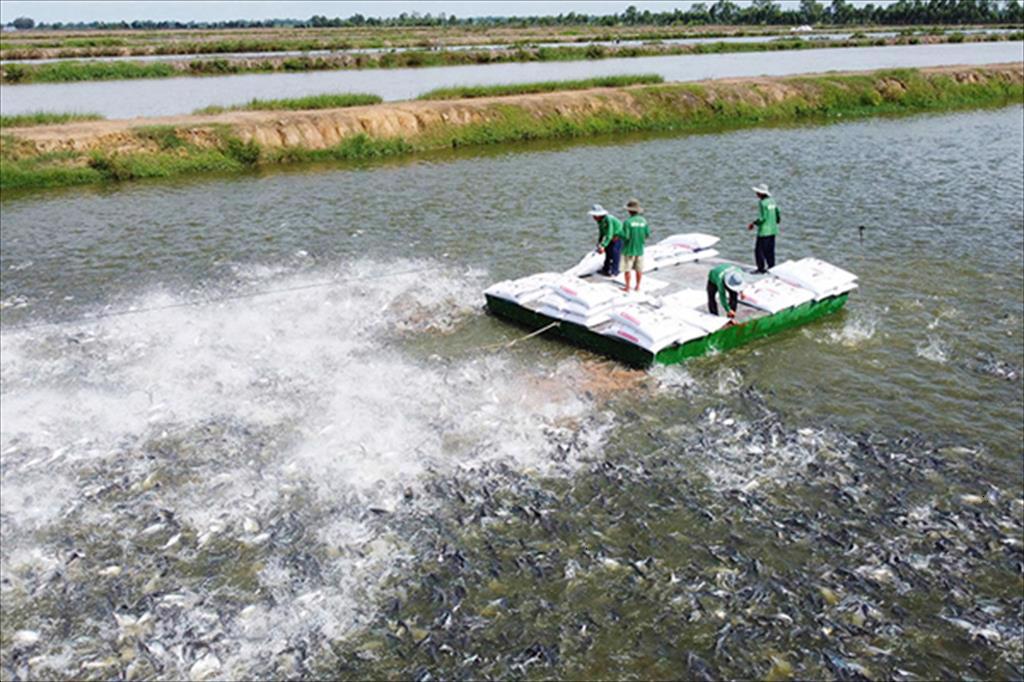
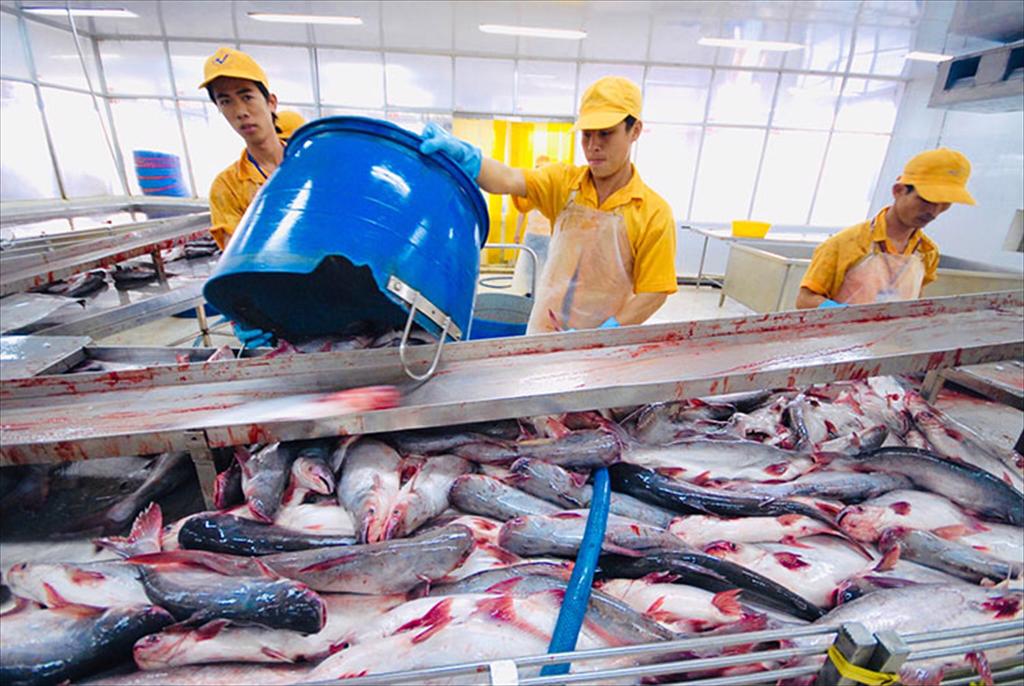
In the first nine months of 2025, An Giang Province’s aquaculture sector recorded positive results, with pangasius continuing to play a leading role. Pangasius output reached nearly 653.2 thousand tons, representing a year-on-year increase of 5.62%. This growth was mainly driven by farming areas operated by enterprises with integrated production chains, enabling cost optimization and improved profitability.

Pangasius Exports Surpass USD 2 Billion in the First 11 Months
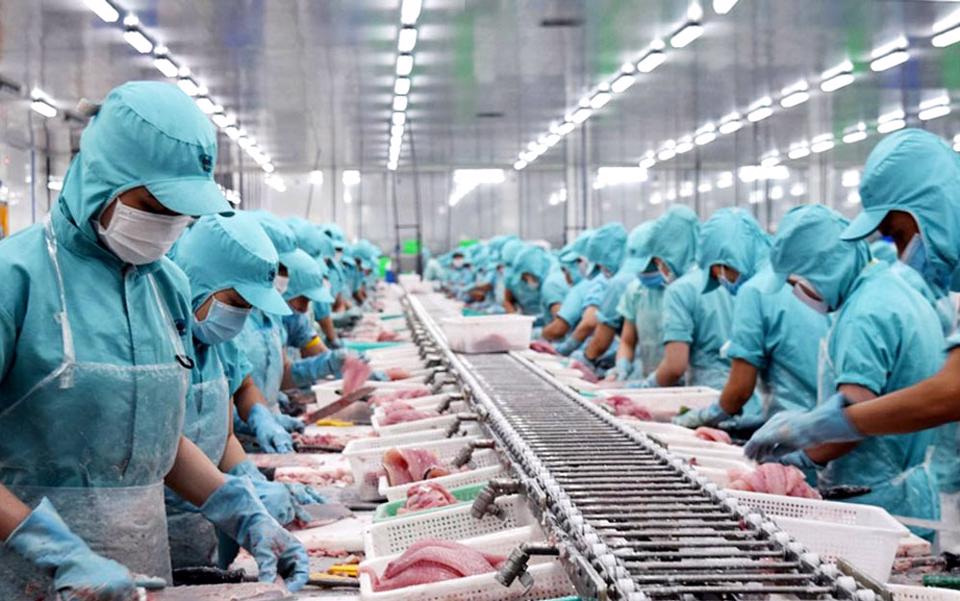
As of the end of November 2025, Vietnam’s total pangasius export value surpassed USD 2 billion, representing a 9% increase compared to the same period in 2024. In November alone, pangasius exports reached USD 195 million, continuing a year-on-year growth rate of 9%, indicating a steady recovery trend for the industry in the final months […]
Infographic: Vietnam Pangasius Export Performance, Jan–Nov 2025
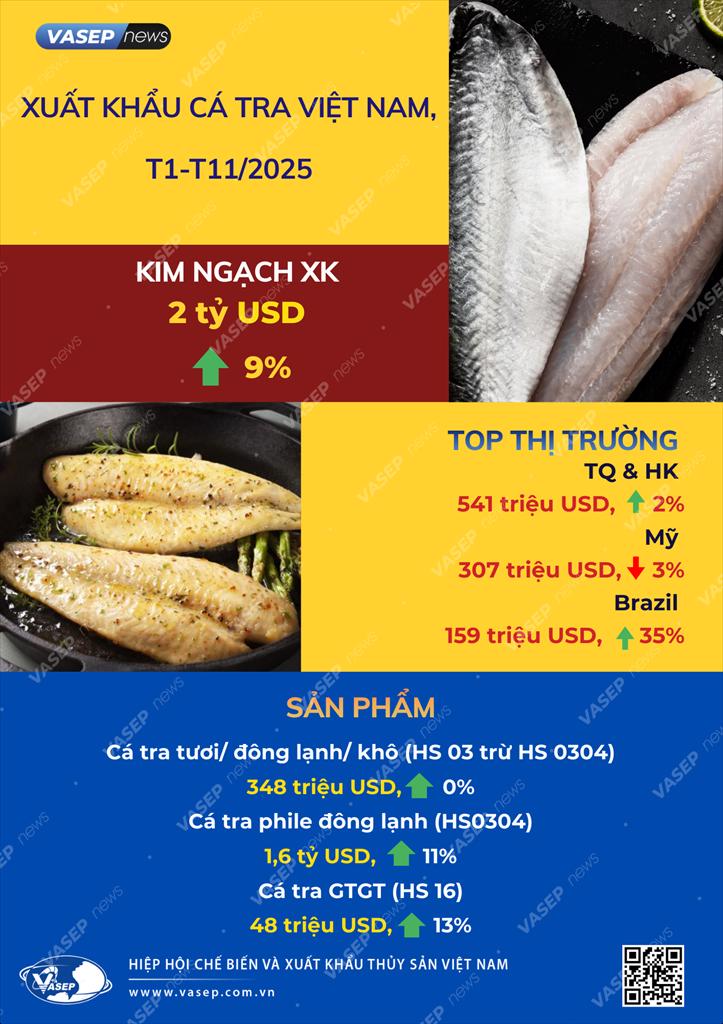
As of the end of November 2025, Vietnam’s total pangasius export value exceeded USD 2 billion, marking a 9% increase compared to the same period in 2024. In November alone, pangasius exports reached USD 195 million, up 9% year-on-year, reflecting a stable recovery trend of the industry in the final months of the year.
Global Whitefish Supply: Strong Volatility from Capture Fisheries to Aquaculture
During the 2025–2026 period, the global whitefish market is experiencing significant structural changes as supply from wild capture fisheries continues to decline, while farmed whitefish expands its market share thanks to competitive pricing and more stable output. Stricter U.S. tariff policies, combined with geopolitical tensions in the Barents Sea between Norway and Russia, have further […]
Vietnamese Pangasius in China: Stable Demand, Rising Competition
Pangasius export value to the Chinese market (including China and Hong Kong) reached USD 483 million in the first ten months of 2025, up 1% compared to the same period in 2024. In October alone, exports totaled USD 73 million, representing a strong year-on-year increase of 19%. China accounted for nearly 27% of Vietnam’s total […]
An Giang Records Pangasius Production of Over 650,000 Tons
In the first nine months of 2025, An Giang Province’s aquaculture sector recorded positive results, with pangasius continuing to play a leading role. Pangasius output reached nearly 653.2 thousand tons, representing a year-on-year increase of 5.62%. This growth was mainly driven by farming areas operated by enterprises with integrated production chains, enabling cost optimization and improved profitability.
Pangasius Exports Surpass USD 2 Billion in the First 11 Months
As of the end of November 2025, Vietnam’s total pangasius export value surpassed USD 2 billion, representing a 9% increase compared to the same period in 2024. In November alone, pangasius exports reached USD 195 million, continuing a year-on-year growth rate of 9%, indicating a steady recovery trend for the industry in the final months […]
Infographic: Vietnam Pangasius Export Performance, Jan–Nov 2025
As of the end of November 2025, Vietnam’s total pangasius export value exceeded USD 2 billion, marking a 9% increase compared to the same period in 2024. In November alone, pangasius exports reached USD 195 million, up 9% year-on-year, reflecting a stable recovery trend of the industry in the final months of the year.