SEARCH

Global Whitefish Supply: Strong Volatility from Capture Fisheries to Aquaculture

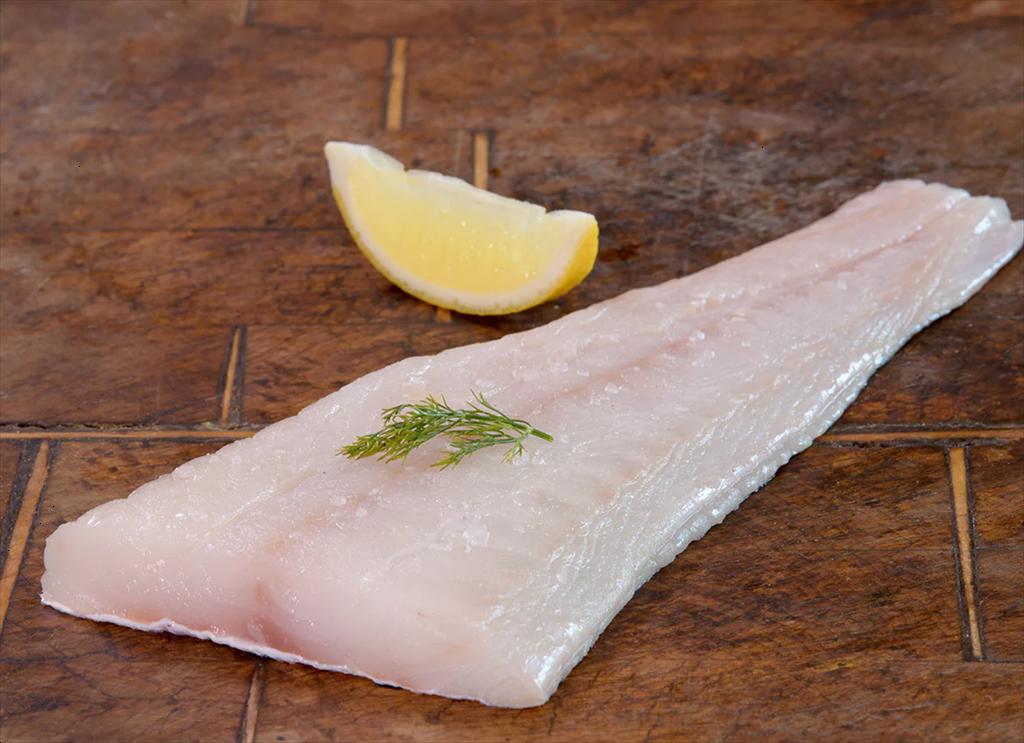
During the 2025–2026 period, the global whitefish market is experiencing significant structural changes as supply from wild capture fisheries continues to decline, while farmed whitefish expands its market share thanks to competitive pricing and more stable output. Stricter U.S. tariff policies, combined with geopolitical tensions in the Barents Sea between Norway and Russia, have further complicated the supply landscape, driving up raw material costs and finished product prices.

Chú thích ảnh

Cod quotas decline while pollock output rises, driven by Russia

Cod production in Norwegian waters has continued to decline, prompting scientific recommendations for further quota reductions. Ahead of negotiations in the Barents Sea, the Atlantic cod quota for 2026 is proposed to be cut by 21%, significantly affecting supply to the EU, the UK, and the United States. Reduced Norwegian cod supply is creating opportunities for alternative suppliers such as Scotland and Canada to expand their market share in the EU.

At the same time, supply from Russia is facing major disruptions as the United States will officially ban imports of Russian-origin cod and haddock from January 1, 2026, under the Marine Mammal Protection Act. This regulation is forcing Chinese processing plants—many of which rely heavily on Russian raw materials for U.S.-bound production—to limit new purchases from Russia in order to mitigate trade risks.

With Norwegian raw material prices remaining elevated, processing plants are under increasing pressure to secure alternative sources. Alaska pollock continues to be a key supply pillar in the global whitefish market. As part of its strategy to boost seafood exports in 2026, the Russian Federation has increased catch quotas, with pollock export volumes forecast to rise by 3–4% year-on-year compared to 2025.


Farmed whitefish: Growth momentum led by tilapia and pangasius

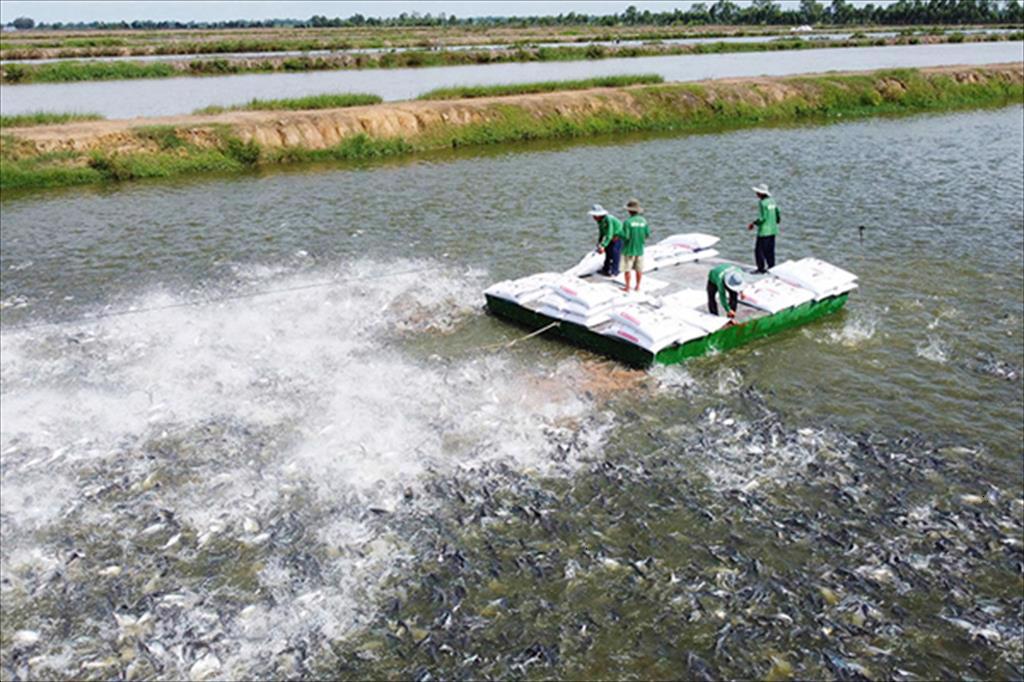
Amid declining wild whitefish supply and rising raw material prices, farmed whitefish is emerging as a key global trend due to stable production and cost competitiveness. However, farmed species are also increasingly affected by tariff policies.

Tilapia continues to show strong growth, with China maintaining its position as the world’s largest supplier. Nevertheless, Chinese tilapia faces a 45% import tariff in the U.S. market, creating opportunities for alternative suppliers. Vietnamese tilapia is gradually expanding its market share and is expected to become a potential substitute source, supported by processing capabilities and the ability to meet market requirements.

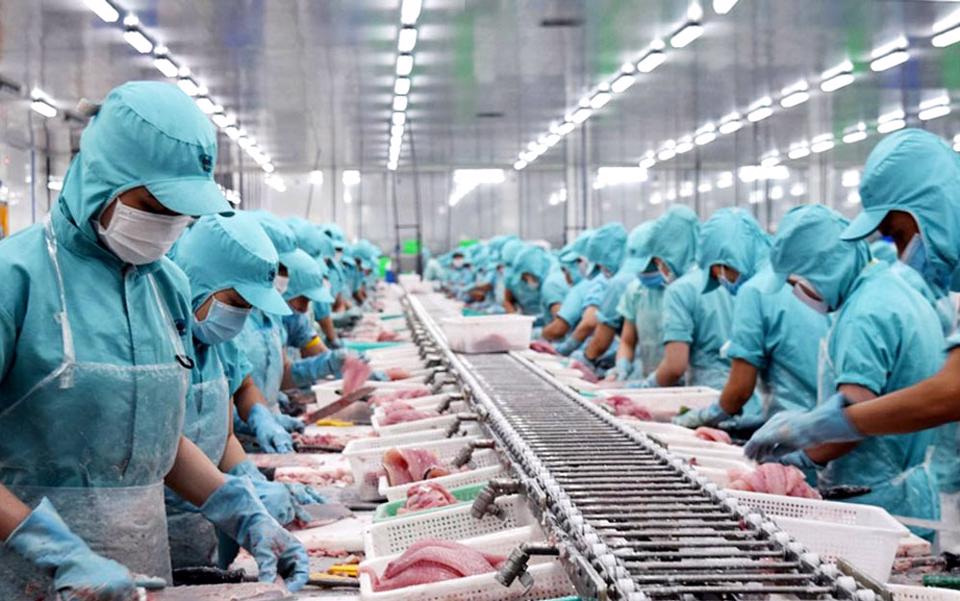
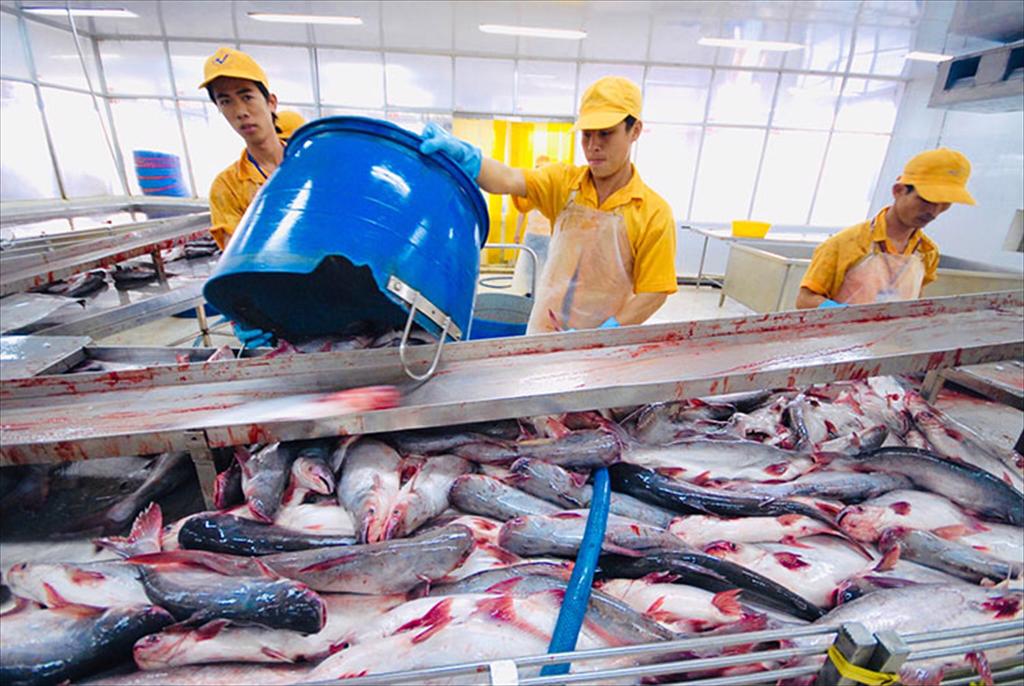
For pangasius, Vietnam continues to maintain a stable supply thanks to its integrated supply chain, ensuring consistent volume and quality. However, in the U.S. market, despite being exempt from anti-dumping duties under POR20 results, Vietnamese pangasius has been subject to a 20% reciprocal tariff since August 7, 2025. This has increased import costs, reduced margins for importers, and may weaken pangasius’ price competitiveness relative to other whitefish species. As a result, many exporters are shifting toward deep-processed pangasius products for the U.S. market while actively expanding into non-traditional destinations beyond their core markets.


Overall trend: Volatile supply and shifting demand

Global whitefish supply is increasingly constrained by lower catch quotas, unfavorable weather conditions, bycatch risks, and the combined impacts of tariffs and geopolitical factors. These disruptions are driving higher raw material and product prices, leading to changes in consumption patterns across major markets: demand for cod is weakening due to high prices, while pollock and farmed whitefish are gaining preference. This trend is expected to persist through 2026.

The shift toward aquaculture-based whitefish products—supported by closed-loop production systems, stronger quality control, and sustainability compliance—is projected to accelerate. With advantages in cost efficiency and supply stability, tilapia and pangasius are expected to continue playing a critical role in the global whitefish supply landscape.
Our Related Posts

An Giang Records Pangasius Production of Over 650,000 Tons

In the first nine months of 2025, An Giang Province’s aquaculture sector recorded positive results, with pangasius continuing to play a leading role. Pangasius output reached nearly 653.2 thousand tons, representing a year-on-year increase of 5.62%. This growth was mainly driven by farming areas operated by enterprises with integrated production chains, enabling cost optimization and improved profitability.

Pangasius Exports Surpass USD 2 Billion in the First 11 Months

As of the end of November 2025, Vietnam’s total pangasius export value surpassed USD 2 billion, representing a 9% increase compared to the same period in 2024. In November alone, pangasius exports reached USD 195 million, continuing a year-on-year growth rate of 9%, indicating a steady recovery trend for the industry in the final months […]

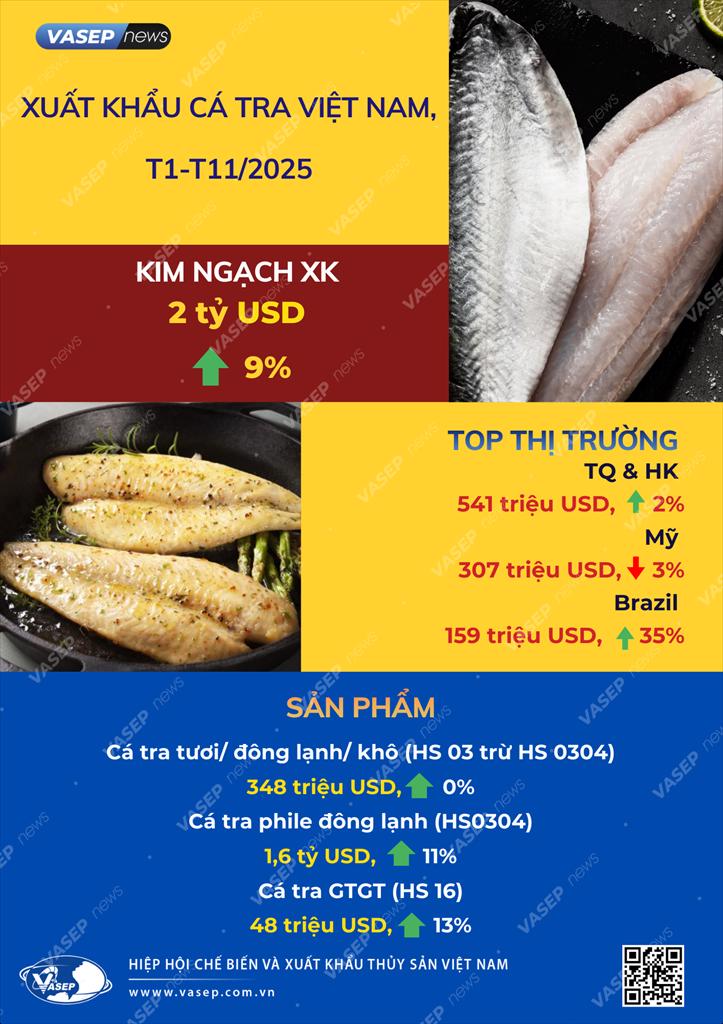
Infographic: Vietnam Pangasius Export Performance, Jan–Nov 2025

As of the end of November 2025, Vietnam’s total pangasius export value exceeded USD 2 billion, marking a 9% increase compared to the same period in 2024. In November alone, pangasius exports reached USD 195 million, up 9% year-on-year, reflecting a stable recovery trend of the industry in the final months of the year.

The Japanese Market Expands Demand for Vietnamese Pangasius Products

Japan’s Whitefish Market: Growing Demand for Vietnamese Pangasius Japan’s whitefish market is showing a clear differentiation among supply sources, with Vietnam continuing to assert its position as a stable and high-potential exporter. Vietnam currently ranks third, after the United States and Russia, in terms of whitefish export value to Japan. Benefiting from tariff preferences and […]

Vietnamese Pangasius in China: Stable Demand, Rising Competition

Pangasius export value to the Chinese market (including China and Hong Kong) reached USD 483 million in the first ten months of 2025, up 1% compared to the same period in 2024. In October alone, exports totaled USD 73 million, representing a strong year-on-year increase of 19%. China accounted for nearly 27% of Vietnam’s total […]

Latest News & Updates

An Giang Records Pangasius Production of Over 650,000 Tons

In the first nine months of 2025, An Giang Province’s aquaculture sector recorded positive results, with pangasius continuing to play a leading role. Pangasius output reached nearly 653.2 thousand tons, representing a year-on-year increase of 5.62%. This growth was mainly driven by farming areas operated by enterprises with integrated production chains, enabling cost optimization and improved profitability.

Pangasius Exports Surpass USD 2 Billion in the First 11 Months

As of the end of November 2025, Vietnam’s total pangasius export value surpassed USD 2 billion, representing a 9% increase compared to the same period in 2024. In November alone, pangasius exports reached USD 195 million, continuing a year-on-year growth rate of 9%, indicating a steady recovery trend for the industry in the final months […]

Infographic: Vietnam Pangasius Export Performance, Jan–Nov 2025

As of the end of November 2025, Vietnam’s total pangasius export value exceeded USD 2 billion, marking a 9% increase compared to the same period in 2024. In November alone, pangasius exports reached USD 195 million, up 9% year-on-year, reflecting a stable recovery trend of the industry in the final months of the year.

The Japanese Market Expands Demand for Vietnamese Pangasius Products

Japan’s Whitefish Market: Growing Demand for Vietnamese Pangasius Japan’s whitefish market is showing a clear differentiation among supply sources, with Vietnam continuing to assert its position as a stable and high-potential exporter. Vietnam currently ranks third, after the United States and Russia, in terms of whitefish export value to Japan. Benefiting from tariff preferences and […]