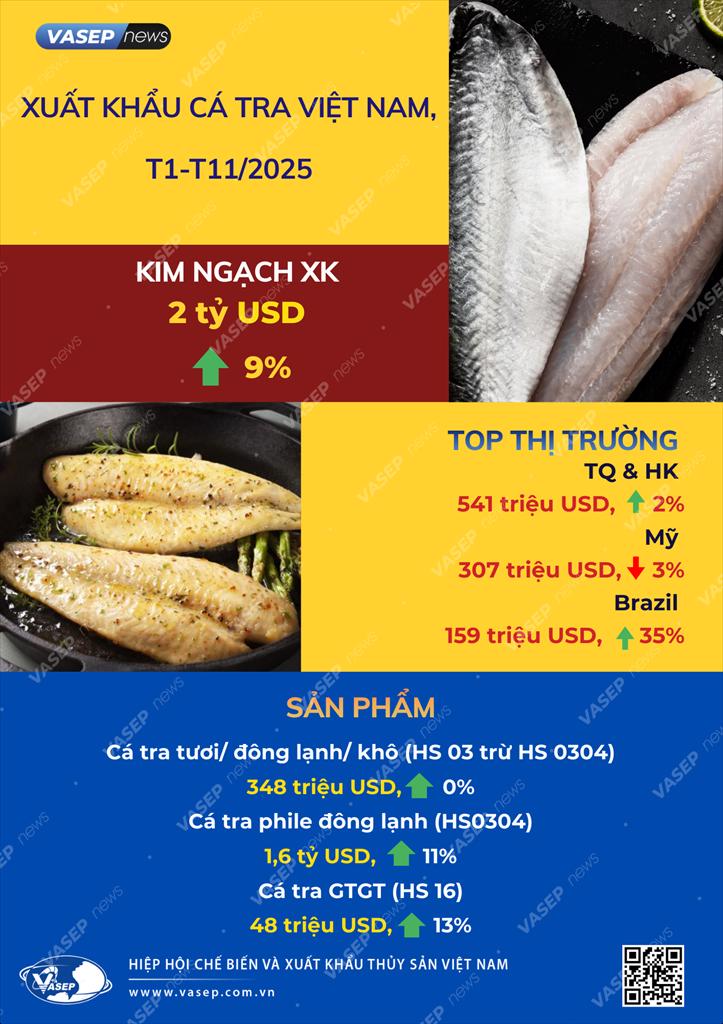


After a slowdown in the third quarter of 2025, pangasius exports to China rebounded sharply in October, recording the highest monthly export value since the beginning of the year. However, the sustainability of this growth momentum remains dependent on domestic consumption trends in China and the level of competition from other seafood products in the region.
At present, Vietnam’s pangasius industry is facing increasing competitive pressure in this market. Chinese tilapia, a competitively priced product, is being strongly promoted for domestic consumption amid challenges in export markets. Following the meeting between Chinese and U.S. leaders on October 30, the United States announced a reduction in import tariffs on Chinese tilapia from 55% to 45% and a suspension of new retaliatory tariffs until November 2026. Despite the 10% tariff reduction, the overall tariff level remains high, continuing to limit Chinese tilapia exports to the U.S. market. As a result, China is likely to further prioritize domestic tilapia consumption in the fourth quarter, intensifying competitive pressure on Vietnam’s frozen pangasius products.
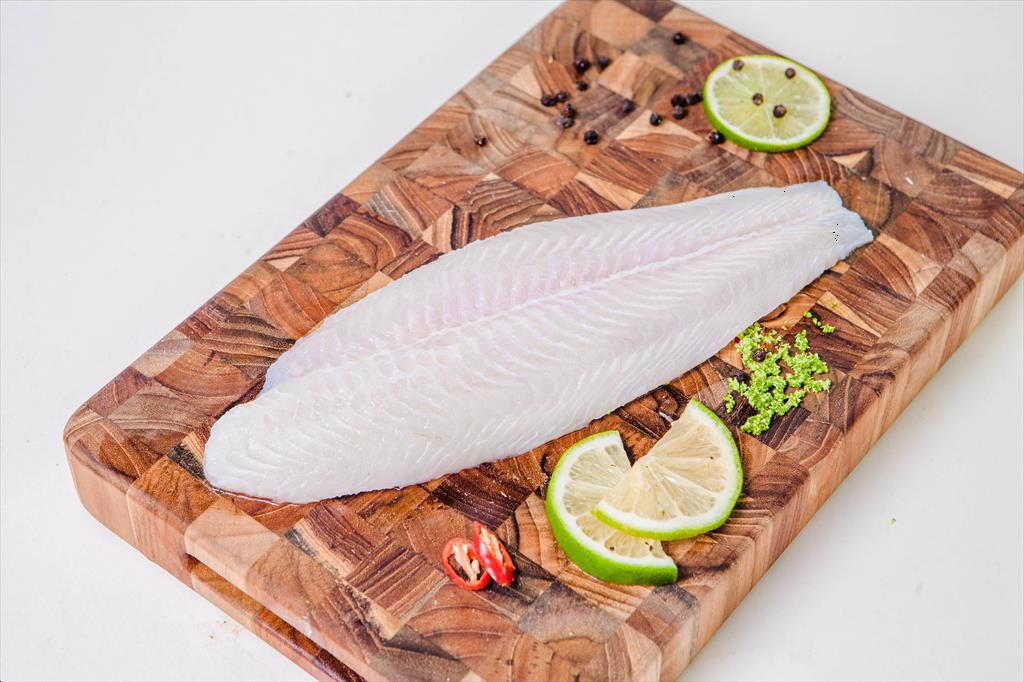
Nevertheless, China remains a key market for Vietnam’s pangasius industry. Demand for frozen pangasius fillets in China continues to be relatively stable, supported by affordable pricing that suits the mass-consumption segment. In addition, geographical proximity helps keep logistics costs significantly lower than those for distant markets, providing a clear competitive advantage for Vietnamese exporters.
However, long-term reliance on traditional markets such as China increases the industry’s vulnerability to changes in import and trade policies. Amid rising domestic competition in China and signs of slowing demand for frozen pangasius fillets, Vietnam’s pangasius sector needs to further diversify its product offerings for the Chinese market. Beyond traditional frozen fillets, increased investment in deep-processed and value-added products could help enterprises improve profit margins, mitigate risks, and enhance long-term competitiveness.
At the same time, while maintaining growth in the Chinese market, the industry should accelerate expansion into other markets to reduce dependency. This dual approach would help secure market stability while creating momentum for sustainable development of the pangasius industry in the coming years. In the final two months of 2025, pangasius exports to China are expected to continue growing, driven by higher consumption demand during the year-end festive season.